Most driveways in Hornchurch and Upminster last somewhere between 15 and 30 years, and which end of that range yours reaches depends less on the surface than on the ground under it. Block paving on a good base will often see 25 years or more. Resin bound with a UV-stable resin tends to manage 15 to 25. Tarmac usually gives 15 to 20, imprinted concrete about the same if it’s resealed every two or three years, and plain concrete can go past 30. Havering makes those numbers harder to hit than they look. North of the railway the drives sit on London clay, which swells in a wet winter and shrinks in a dry summer. A lot of the roads are lined with council trees, which Havering inspects on three- or five-year cycles. This guide goes through how each surface ages here and what wears it out, along with the upkeep that actually makes a difference and the signs that a drive has reached its end.
Driveway lifespans in Havering, surface by surface
The figures above assume a drive that was built properly. Most drives that fail early didn’t fail because of the surface. Under every surface there should be a dug-out formation, a geotextile, a compacted stone sub-base and, for resin, an open-graded binder like the one in the photo below. Skimp on any of those and the life of the top layer drops by years, whatever it’s made of.
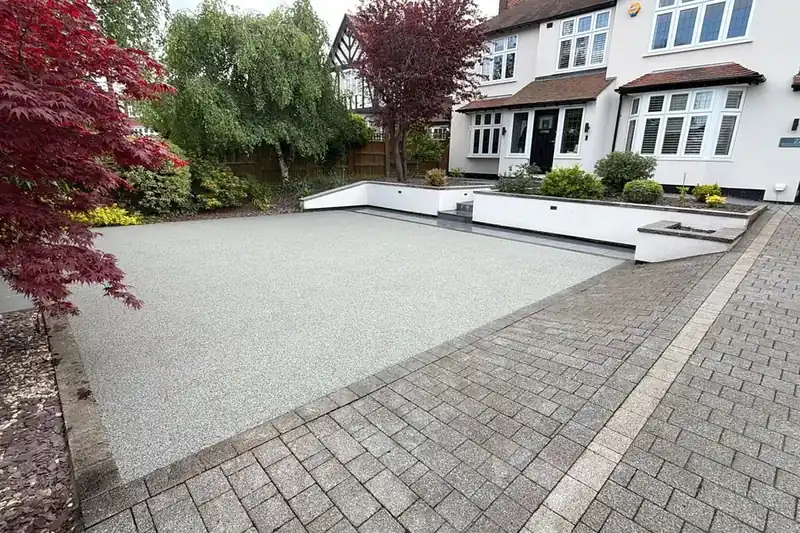
What wears out first is different for each one. Concrete blocks barely wear at all, so a block drive lives or dies by its joints, edges and base. Resin bound comes down to the resin type, the binder and how much sun the front of the house gets. Tarmac goes grey within a few years, then hardens and cracks. Imprinted concrete lasts as long as somebody keeps renewing the sealer, and loses its colour and pattern when nobody does. Plain brushed concrete is the long-distance runner if it was laid with proper joints, though we rarely see it chosen for the front of a house now.
If you are weighing up a repair against a new surface, our driveway repairs page sets out what can usually be saved. If you know you want new, the block paving, resin and tarmac pages go through how we build each one.
What London clay does to a driveway over the years
Clay moves. After a run of wet months it takes on water and swells. In a long dry spell it gives the water up, shrinks and cracks open. The ground in Emerson Park, Ardleigh Green and up towards Cranham moves a little every year, and a drive sitting on it moves too. A drive on deep, well-compacted stone hardly feels it. One laid on 50mm of hardcore over bare clay will start showing it after a few dry summers.
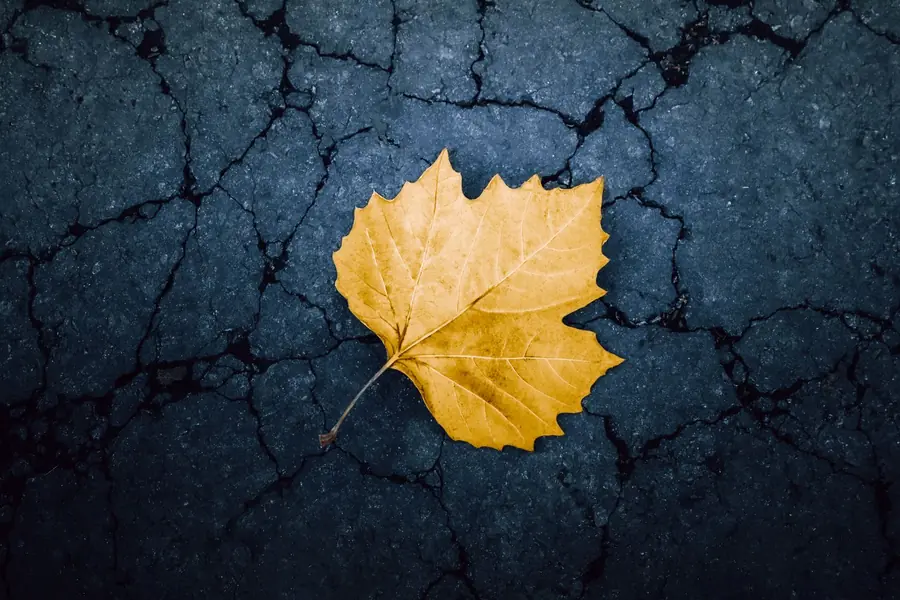
Each surface shows that movement in its own way. Tarmac gets a web of fine cracks, a bit like crazy paving, usually first where the car sits. Block paving can flex. Blocks settle into a shallow rut and can be lifted, the base topped up and the same blocks put back. Resin bound shows a crack along whatever line in the base moved, often an old slab joint or the edge of a trench. Concrete cracks across its width if the joints were too far apart.
The other thing clay does is hold water. A sub-base that sits wet all winter gets weaker and frost gets into it more easily. So the drainage under a drive affects how long it lasts as much as the surface on top. We go into that properly in our post on driveway drainage on Havering’s London clay. South of the railway, around Elm Park and parts of south Hornchurch, the ground is sandier and gravelly. Drives there tend to age more slowly and more evenly.
Street trees, roots and driveway lifespan
Havering has a lot of trees for a London borough, and a fair share of them stand in the pavement right next to someone’s drive. The council looks after them. Its guidance on council trees in Havering explains that trees on roads and pavements are inspected every three or five years. It also says the council will not normally prune or remove a tree for things like falling leaves, sap or minor disturbance to footway surfacing.
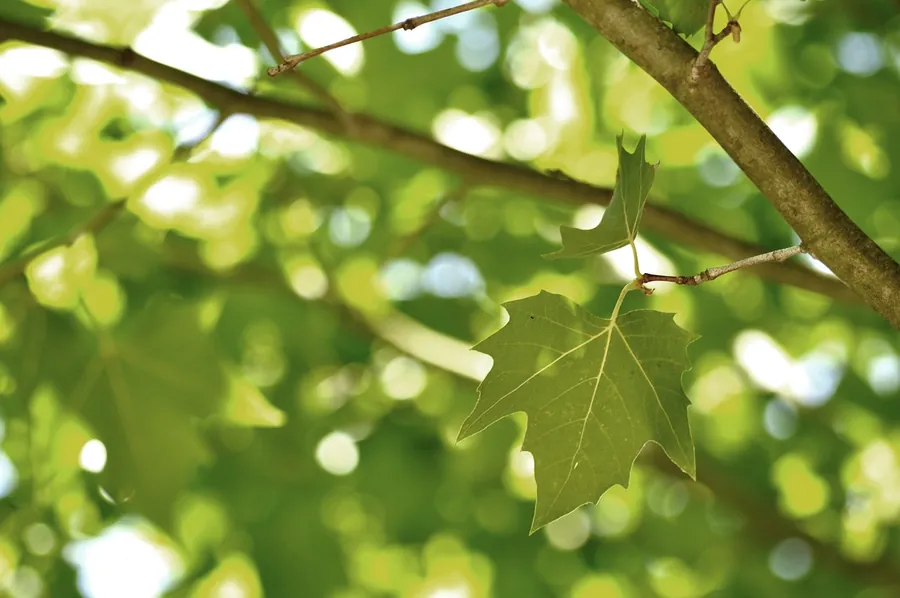
Roots do two kinds of damage. The first is lifting. A root growing under the edge of a drive thickens year by year and pushes the surface up. Tarmac splits along the root, block paving bulges and resin cracks. The second is drying. A big tree pulls water out of clay in summer, so the ground near it shrinks more than the ground further away. That uneven shrinkage is behind a lot of the dips and cracks that run across a drive on one side only. Oak, poplar and willow are the thirstiest. Large London planes are a problem too.
Block paving copes best of the lot. When roots lift a patch, the blocks can come up, the root can be bridged and the area relaid without patching. Resin and tarmac can only be cut out and repaired, and the repair shows. Don’t cut roots off a council tree yourself. Report it and let the council’s tree officers decide. If the drive is due for replacement anyway, it’s worth asking your installer about a root barrier or a cellular base near the tree.
Sun, colour fade and UV
The sun ages every driveway surface, just at different speeds. Tarmac is the quickest to show it. It’s jet black when laid, but the bitumen oxidises and within two or three years most drives have gone a dull grey. That greying is harmless in itself. It only starts to matter later, when the binder gets brittle and the stones on the surface start coming loose.
With resin, it depends on which resin was used. A UV-stable aliphatic resin keeps the stone looking much as it did on day one, with a slight dulling over time. The cheaper aromatic resins are made for areas out of the sun. On an open front drive they darken, then go amber, and a buff or silver mix can look tea-stained within a few summers. Nothing can be done about it after the fact except resurfacing, so check the resin type before signing.
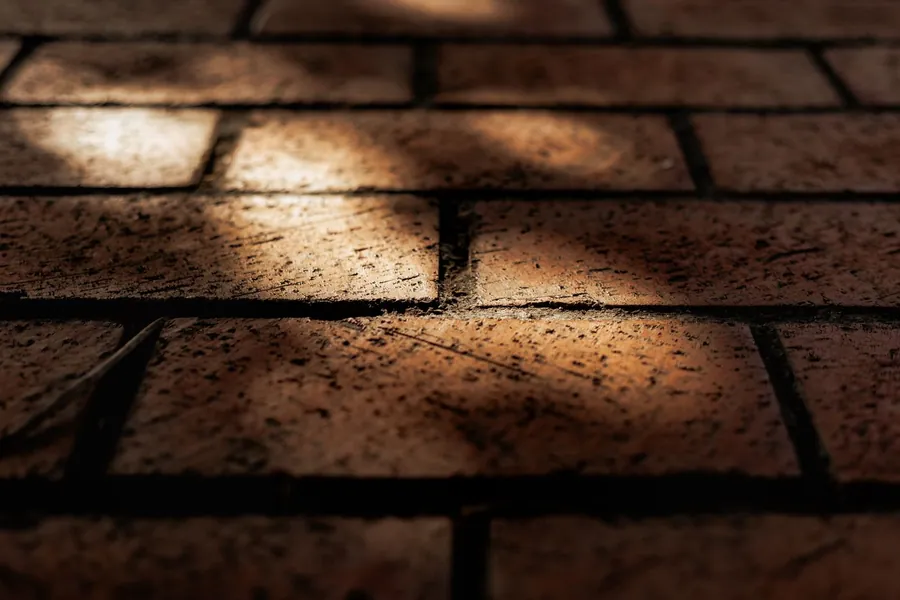
Block paving fades slowly and evenly, and the reds and charcoals lose some depth over the first few years. New blocks put in after a repair will look brighter for a while. Imprinted concrete keeps its colour only as long as the sealer lasts, and on a south-facing drive in Upminster that can be well under three years.
Weeds, moss and the joints
Weeds rarely come up through a drive from below if a membrane went in. They grow from seed that lands in the joints and the dirt that collects there. That is why block paving needs the most weeding. Every joint is a strip of sand waiting for a dandelion. Topping up the joints with kiln-dried sand and brushing the drive often keeps it under control. Jointing compound costs more but keeps weeds out for longer.
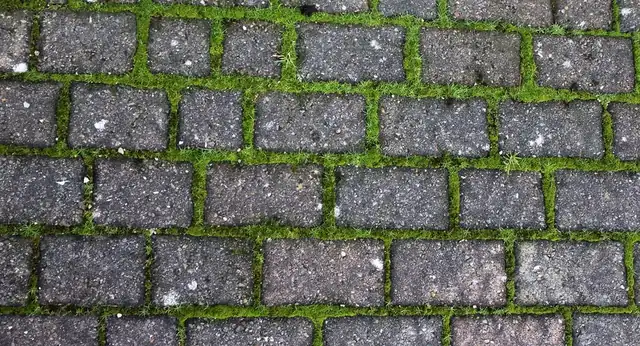
Resin bound has no joints, which is one of the main reasons people choose it. It isn’t completely weed-proof though. In a shady corner, under a hedge or beside a big tree, moss can take hold on the surface, and if leaves are left to rot on it they make a thin layer of soil for seeds. Tarmac gets weeds along its edges and in any crack, and once a root is in a crack it opens it wider each year. Imprinted concrete gets them in the expansion joints.
Moss and weeds are mostly a looks problem, but not entirely. Roots wedge cracks open, moss holds water against the surface, and water that sits there through a frosty spell is how a small crack turns into a loose patch.
Maintenance that adds years, by surface
None of this is much work. A few minutes now and then, plus one bigger job every few years, will add years to any of these surfaces.
- Block paving: brush it often and pull weeds before they root deep. Top up the sand in the joints after every hard wash. A pressure washer is fine if you keep the lance moving and don’t strip the joints out. A sealer is optional but keeps the sand in for longer.
- Resin bound: sweep off leaves in autumn, especially under trees. Wash it once or twice a year, keeping the pressure washer nozzle well back from the surface. Deal with oil drips quickly. Don’t use salt or grit that’s sharp enough to scratch.
- Tarmac: sweep and wash it, and keep the edges supported. Fill small cracks before winter so water can’t get in and freeze. Keep diesel and petrol off it, because they soften the binder.
- Imprinted concrete: reseal it every two to three years, and clean it before you do. If the sealer has gone white or patchy, it’s overdue.
For block paving in particular, Interpave, the trade body for concrete block paving manufacturers, publishes design, construction and maintenance guidance. It’s worth a read before you go at the joints with a pressure washer. If you’re still at the stage of picking a surface, our comparison of resin, block paving and tarmac on a 1930s Hornchurch semi looks at the same three from the buying side.
Signs a driveway is reaching the end of its life
Some signs mean a repair is due, and some mean the base has had it. With tarmac, watch for crocodile cracking across the wheel tracks, potholes that come back after patching, and edges that crumble when you step on them. Block paving is near the end when the ruts won’t stay fixed after relaying, blocks rock underfoot across a wide area, and puddles sit in the same spots after every shower.
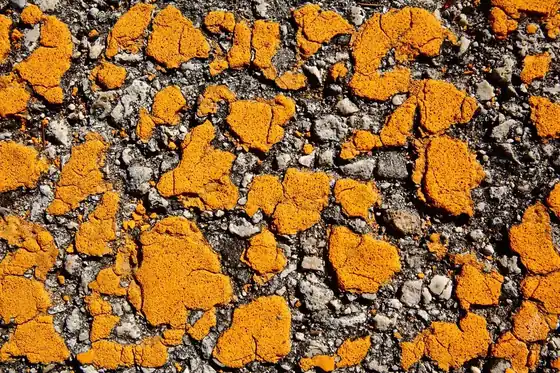
On resin bound, look out for loose stones that keep collecting at the bottom of the drive, cracks following the line of the old slabs underneath, and patches that feel soft. Imprinted concrete is getting old when the surface is flaking, the colour is patchy even after resealing, and there are cracks running from one side to the other. If you only see one of these, in one place, it’s usually a repair. If you see several across the drive, the base is the problem and a new surface on top won’t last.
When the time comes to replace, remember the rules on front gardens. The government’s guidance on permeable surfacing of front gardens explains that covering more than five square metres with a surface that doesn’t drain needs planning permission unless the water runs to a lawn or border. A replacement drive is a good chance to sort out the drainage, the depth of the base and the edges that wore out the old one.
If your drive is showing its age and you’d like a straight opinion on whether it can be repaired or needs replacing, book a free driveway survey in Hornchurch or Upminster.